News
AI… The New Target Partner Industry for High Value Sponsorships in the GCC?
Key Takeaways
- New industries entering high value sponsorships include AI, software infrastructure, fintech
- Nielsen predicts a ‘Tech Gold Rush’ in sponsorship
- Good news for Rightsholders in GCC where there are many emerging tech brands
New Premier League Trend Emerging
As we near the beginning of the 2026/27 Premier League season, clubs are entering a new commercial era. With the league’s 2023 ban on front-of-shirt gambling sponsorships finally coming into effect this season, betting firms will no longer dominate the front of matchday shirts across England’s top-flight clubs. Technology firms, financial services companies and tourism brands are emerging as the new leaders in sponsorship spend... with AI brands the ones to watch!
Clubs are now attracting sponsors from sectors including fintech, software infrastructure, airlines, sovereign investment and increasingly artificial intelligence, signalling a significant shift in football’s commercial landscape. While some clubs may experience a short-term drop in sponsorship income, the long-term outlook remains positive as new industries increase their investment in football.
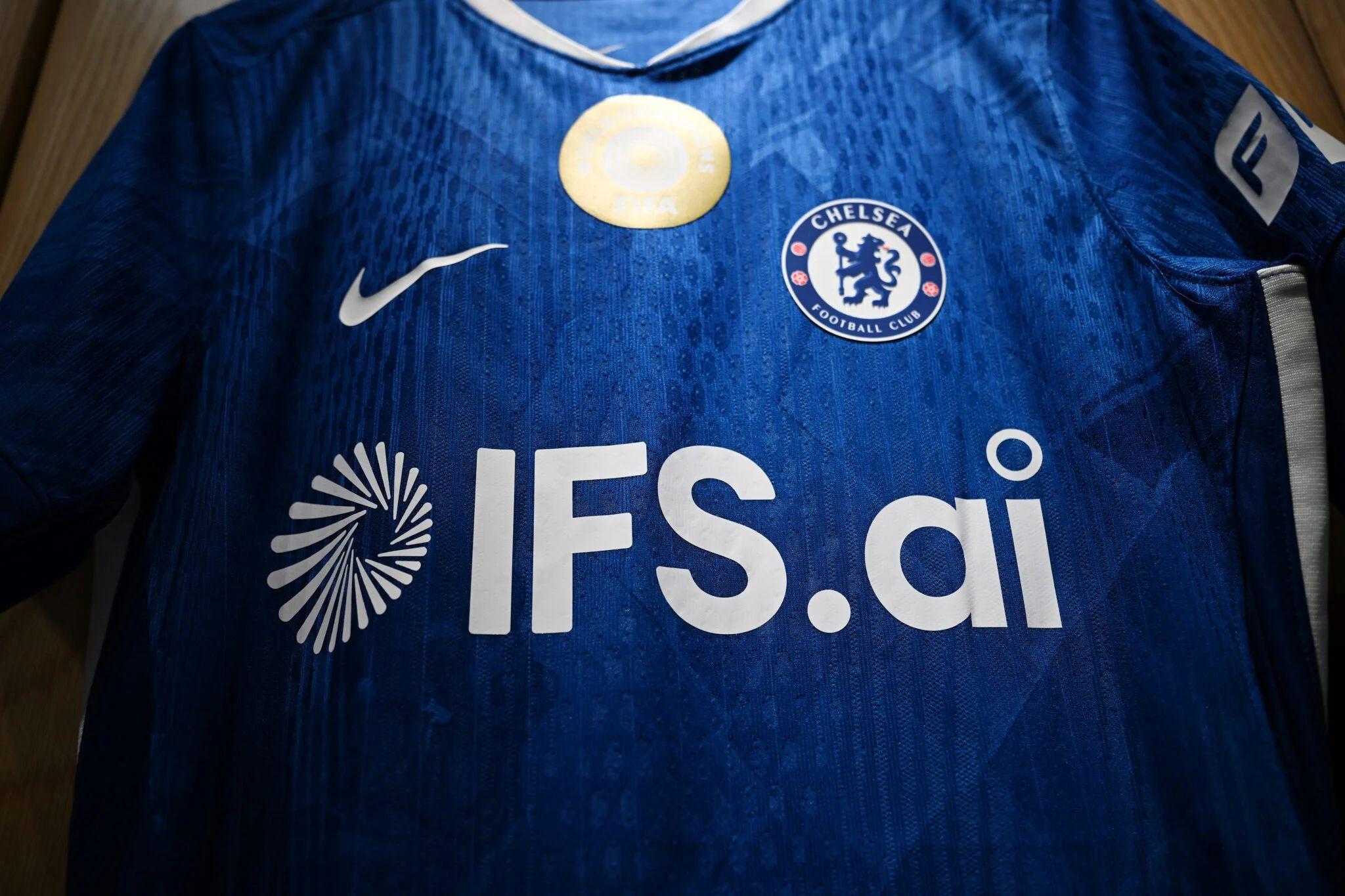
Among the clubs already reflecting the new trend are Chelsea who have signed an AI company ‘IFS’ as their front-of-shirt sponsor, whilst Crystal Palace, another London club, have also signed ‘Temporal’, another AI company, as their front-of-shirt sponsor. Even Brentford is moving into the tech space with a new front-of-shirt partner ‘Indeed’, a recruitment tech company.
Nielsen Predicts a ‘Tech Gold Rush’
Whilst analysis shows both AI and financial services taking the lead in high value Premier League sponsorships, Nielsen predict software infrastructure companies could become the dominant shirt sponsors in the Premier League by 2028, describing the trend as a “Tech Gold Rush” driven by increased competition among technology businesses seeking international visibility.
What does this Prediction Mean for Sponsorship in the Middle East?
Saudi Arabia, the UAE and Qatar are all investing heavily in becoming tech and AI hubs as part of their post-oil diversification plans. Already heavily involved in international sports sponsorship through their air carriers, tourism offerings and sovereign funds, it's extremely plausible that some of the "software infrastructure" money Nielsen expects to dominate the Premier League by 2028 comes from Gulf-backed or Gulf-headquartered tech ventures rather than purely US/Asian firms.
Whilst the recent regional conflict has undoubtedly shifted some economic resources and continues to be a live variable that could affect the pace (although most probably not the direction) of continued Gulf sponsorship spend, it is highly likely that this trend will become increasingly visible in the Middle East sponsorship market too, with AI and other tech companies looking to sponsor flagship assets to show their increasing dominance in the marketplace both regionally and internationally. This is good news for regional rightsholders! And… this isn't just a plausible forecast, it's already happening.
First GCC AI Deal Announced - Humain and Al-Nassr Club
Humain, the Saudi AI company, headquartered in Riyadh and owned by the Public Investment Fund, has been named the front-of-shirt sponsor of Al-Nassr FC for the 2026-27 season. The deal isn't just a logo swap either: it bundles jersey sponsorship, naming rights for Al-Nassr's new training centre, and joint work applying AI across the club's football operations, fan engagement and digital experiences. Humain was recently founded in May 2025 by Mohammed bin Salman as part of Saudi Arabia's push to become a global AI leader and diversify away from oil, and it already has partnerships with Nvidia, AMD and Qualcomm.
Given Humain's aggressive expansion ambitions and the parallel efforts from Abu Dhabi’s G42 and other PIF/Mubadala-backed AI ventures, it's reasonable to expect more of this, both domestically (Saudi Pro League, UAE Pro League) and potentially reaching into European leagues like the Premier League as these companies look for international visibility, echoing how Emirates, Etihad and Qatar Airways used football sponsorship to build global brand recognition decades ago.
If you’re a regional rightsholder, AI and other tech brands should be top priorities as we look ahead to the 2026-27 season.